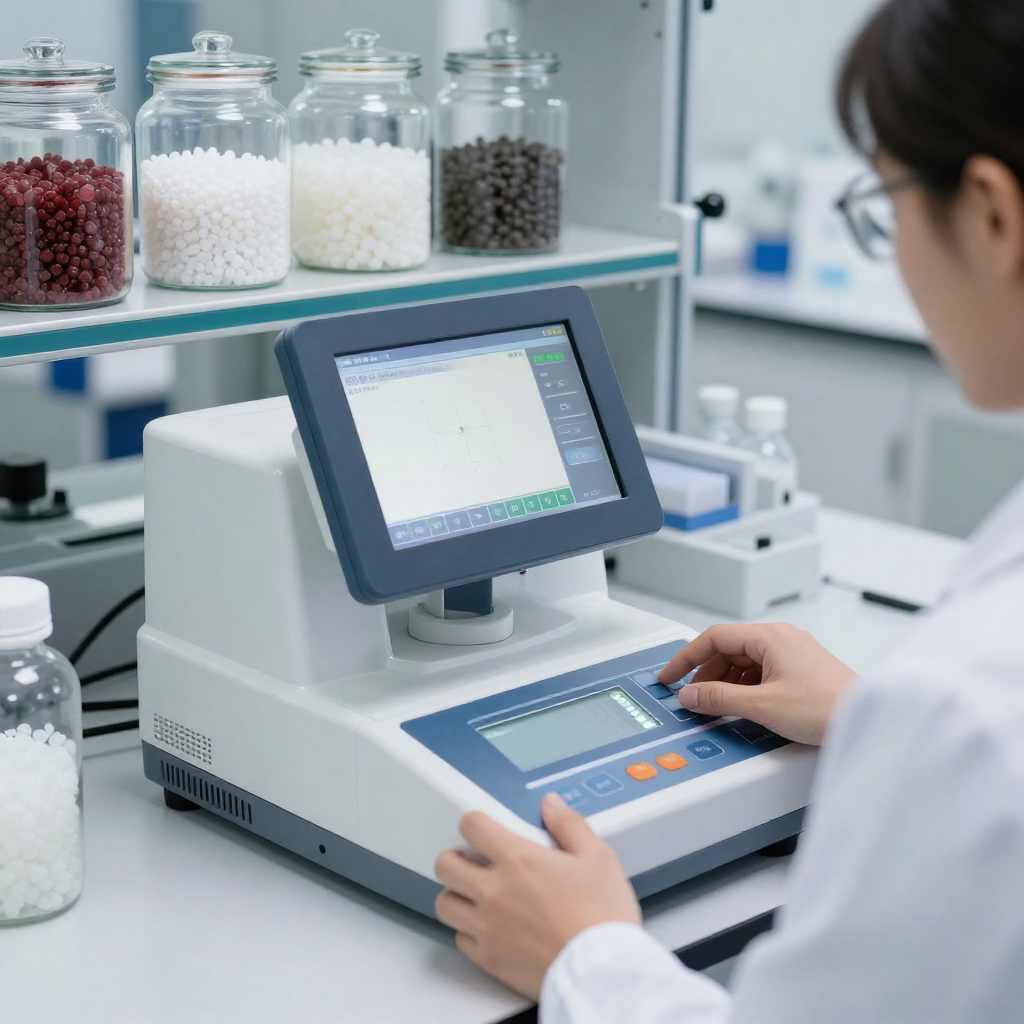
Moisture content plays a decisive role in the quality and performance of plastic products. In modern manufacturing, even microscopic traces of water can compromise structural integrity, surface appearance, and long-term durability. For industries that rely heavily on precision—such as automotive, electronics, packaging, and medical manufacturing—plastics moisture testing is not simply a technical step. It is a critical quality control process that ensures reliability, consistency, and cost efficiency.
As manufacturing standards become more demanding, companies increasingly depend on trusted instruments and accurate measurement systems to maintain strict moisture control. Effective testing prevents defects, reduces waste, and safeguards product reputation in competitive markets.
The Science Behind Moisture in Plastics
Plastics are polymers composed of long molecular chains. Some polymers are hygroscopic, meaning they naturally absorb moisture from the surrounding air. Materials such as nylon (PA), polycarbonate (PC), PET, and ABS can absorb water deep within their molecular structure during storage or transportation.
When these materials are exposed to high processing temperatures during injection molding, extrusion, or blow molding, trapped moisture turns into steam. This creates internal pressure, leading to bubbles, voids, splay marks, brittleness, or surface imperfections. In severe cases, hydrolysis occurs, breaking down polymer chains and reducing mechanical strength.
Even non-hygroscopic materials such as polyethylene (PE) and polypropylene (PP) can suffer from surface moisture contamination, which affects processing stability and final product finish.
Without proper testing, manufacturers are left guessing whether drying processes have been effective. Moisture testing removes that uncertainty by providing measurable, actionable data.
Consequences of Skipping Moisture Testing
Neglecting accurate moisture testing can result in significant operational and financial setbacks. One of the most immediate consequences is product defects. Visual flaws such as streaking or silvering may appear on finished parts, requiring rework or complete rejection of the batch.
Structural weaknesses are even more concerning. Components used in automotive or industrial applications must withstand mechanical stress. If moisture has degraded the polymer structure, failure can occur during real-world use, potentially leading to warranty claims or safety risks.
Inconsistent moisture levels also disrupt production efficiency. Machines may require frequent adjustments, cycle times may increase, and scrap rates can rise. Over time, these inefficiencies erode profit margins and reduce overall productivity.
Benefits of Accurate Plastics Moisture Testing
Implementing reliable moisture testing offers multiple advantages throughout the manufacturing process. First, it ensures consistent product quality. Maintaining moisture levels within recommended specifications helps preserve mechanical strength, impact resistance, and dimensional stability.
Second, it optimizes drying operations. Instead of over-drying materials—wasting time and energy—manufacturers can dry polymers precisely to required levels. This reduces operational costs and supports sustainability initiatives.
Third, moisture testing improves process stability. With accurate data, operators can adjust drying temperatures, time, and airflow more effectively. This minimizes production interruptions and enhances workflow consistency.
Finally, thorough moisture documentation strengthens compliance with industry standards. Many sectors, particularly medical and aerospace manufacturing, demand detailed quality records. Accurate testing instruments provide traceable results that support audits and certifications.
Modern Instruments for Moisture Measurement
Advances in testing technology have transformed Plastics Moisture analysis. Karl Fischer titration remains one of the most precise methods for detecting very low moisture levels, especially in hygroscopic polymers. It is widely regarded for its accuracy in laboratory environments.
Loss-on-drying moisture analyzers offer a faster alternative for routine quality checks. These instruments measure weight loss under controlled heating conditions and provide rapid results suitable for production floors.
Inline moisture sensors represent the next step in automation. Installed directly within processing lines, they continuously monitor moisture levels in real time. This enables immediate corrective action, preventing defects before they occur.
Selecting the right instrument depends on material type, required accuracy, production scale, and regulatory requirements. High-performance industries typically require higher sensitivity and tighter moisture control tolerances.
Building a Reliable Moisture Control Strategy
Effective moisture management begins with understanding the specific properties of each polymer used in production. Manufacturers should establish clear moisture thresholds based on supplier recommendations and product performance standards.
Regular calibration of testing instruments ensures accuracy over time. Equipment maintenance, combined with operator training, further strengthens reliability. Even the most advanced system is only as effective as the people who use it.
Integrating moisture testing into a broader quality assurance framework creates a proactive manufacturing approach. Data collected from testing instruments can identify trends, highlight inefficiencies, and support continuous improvement initiatives.
The Competitive Advantage of Precision
In today’s manufacturing landscape, precision defines success. Customers expect flawless products with consistent performance. Small inconsistencies in moisture control can lead to major setbacks in product quality and brand credibility.
Accurate plastics moisture testing transforms quality control from reactive troubleshooting to proactive prevention. By investing in trusted instruments and systematic testing procedures, manufacturers can reduce defects, optimize efficiency, and maintain high production standards.
Supporting Manufacturing Efficiency and Quality
Through dependable measurement technology and professional calibration services, dscbalances assists companies in optimizing drying processes and reducing material waste. Proper moisture control not only improves product strength and dimensional stability but also enhances production consistency and energy efficiency. With trusted instruments integrated into quality control systems, manufacturers can maintain compliance standards, reduce downtime, and ensure long-term operational reliability in competitive industrial environments.
