SMILE LASIK has become one of the most trusted modern solutions for correcting vision problems such as myopia and astigmatism. With advances in laser technology and improved surgical precision, procedures like SMILE Pro and SMILE LASIK are now widely recommended by experienced ophthalmologists. Clinics such as SNU Ophthalmology in Gangnam have gained attention for providing specialized treatments and detailed recovery guidance. Understanding the precautions before SMILE LASIK and the recovery process after surgery is essential for achieving the best outcomes and maintaining long-term eye health.
Patients often search online communities such as 스마일라식 병원 더쿠 or medical forums to understand real experiences and treatment outcomes. However, professional guidance from qualified specialists remains the most reliable source of information. Proper preparation, awareness of possible symptoms like 스마일라식 뿌연 증상, and following post-surgery care instructions help patients recover safely and achieve clear vision.
Understanding SMILE LASIK Technology And Its Benefits
SMILE LASIK, also known as Small Incision Lenticule Extraction, is a minimally invasive laser vision correction procedure designed to reshape the cornea and correct refractive errors. Unlike traditional LASIK methods that involve creating a larger corneal flap, SMILE LASIK uses a tiny incision to remove a lenticule from the cornea. This technique preserves more corneal tissue and often results in faster healing and fewer complications.
Many patients exploring options through searches like help check see or 자료 자료 확인 want to understand how this technology works before choosing surgery. SMILE Pro is an advanced variation that improves surgical speed and precision, reducing procedure time and enhancing patient comfort.
Another important factor patients often research is 스마일라식 나이제한. Most ophthalmologists recommend SMILE LASIK for adults whose vision has remained stable for at least a year. While age limits may vary depending on individual eye health, candidates typically fall within the early twenties to mid-forties range.
At specialized clinics such as 에스앤유안과 and SNU안과, detailed preoperative examinations determine whether a patient is suitable for the procedure. These assessments include corneal thickness measurements, tear film evaluation, and refractive stability analysis.
Important Precautions Before Undergoing SMILE LASIK
Preparation plays a major role in ensuring successful SMILE LASIK outcomes. Patients must follow specific medical guidelines before surgery. One commonly discussed topic is 스마일라식 전 주의사항, or drinking alcohol before the procedure. Ophthalmologists advise avoiding alcohol at least 24 to 48 hours before surgery because alcohol can dehydrate the body and affect tear film stability, potentially influencing surgical accuracy.
Contact lens users must also stop wearing lenses before surgery. Soft contact lenses should usually be discontinued for several days, while rigid lenses may require a longer break. This allows the cornea to return to its natural shape so accurate measurements can be taken.
Another essential precaution involves reviewing medical history and medications with the ophthalmologist. Conditions affecting healing, such as autoimmune disorders or severe dry eye syndrome, may influence treatment decisions. Patients searching online resources like 페이지 도움말 상세 or doc page often want a complete guide to these preparation steps, but individualized consultation remains essential.
Smoking and vaping are additional concerns frequently discussed in online forums. Questions related to 스마일라식 후 전자담배 디시 or smoking habits often arise because nicotine can reduce blood circulation and delay healing. Eye specialists usually recommend avoiding smoking both before and after surgery to protect eye tissues and reduce irritation.
Common Symptoms After SMILE LASIK And Early Recovery
Recovery after SMILE LASIK is generally faster compared with traditional LASIK procedures. Many patients experience improved vision within the first 24 hours, though full stabilization may take several weeks. During the early stage, mild symptoms such as dryness, light sensitivity, and temporary haziness may appear.
One frequently discussed symptom is 스마일라식 뿌연 증상, which refers to blurry or cloudy vision during the early healing period. This condition is usually temporary and resolves as the cornea heals. Lubricating eye drops prescribed by ophthalmologists help reduce dryness and promote comfort.
Patients may also notice floaters after surgery, sometimes referred to as 스마일라식 비문증. While floaters are not always related directly to surgery, they can become more noticeable after vision correction procedures. In most cases they are harmless, but any sudden increase should be evaluated by an eye specialist.
Online discussions such as next help full or guide extra go sometimes provide anecdotal experiences about these symptoms. However, the most reliable information comes from medical professionals who can evaluate the eye directly.
Lifestyle Restrictions During The Healing Period
After surgery, protecting the eyes from strain and injury is critical. Specialists generally recommend avoiding heavy physical activities for at least one week. High-impact sports such as boxing often raise questions, particularly in discussions related to 스마일라식 복싱 디시. Because such activities involve potential eye trauma, patients should wait until the ophthalmologist confirms that the cornea has healed sufficiently.
Digital screen exposure is another concern. Although using phones and computers is usually safe after the first day, excessive screen time can worsen dryness and fatigue. Taking frequent breaks and using artificial tears helps maintain comfort.
Contact lens use after surgery is also a topic of discussion in online communities, sometimes mentioned as 스마일라식 후 렌즈 더쿠. Since SMILE LASIK aims to eliminate the need for corrective lenses, most patients no longer require contacts. However, therapeutic lenses may occasionally be used during the healing process if recommended by the surgeon.
Patients should also follow strict hygiene practices. Avoid rubbing the eyes, swimming in pools, or exposing the eyes to dust and smoke during the early recovery period. These precautions help prevent infection and ensure stable healing.
Understanding Possible Side Effects And Overcorrection Concerns
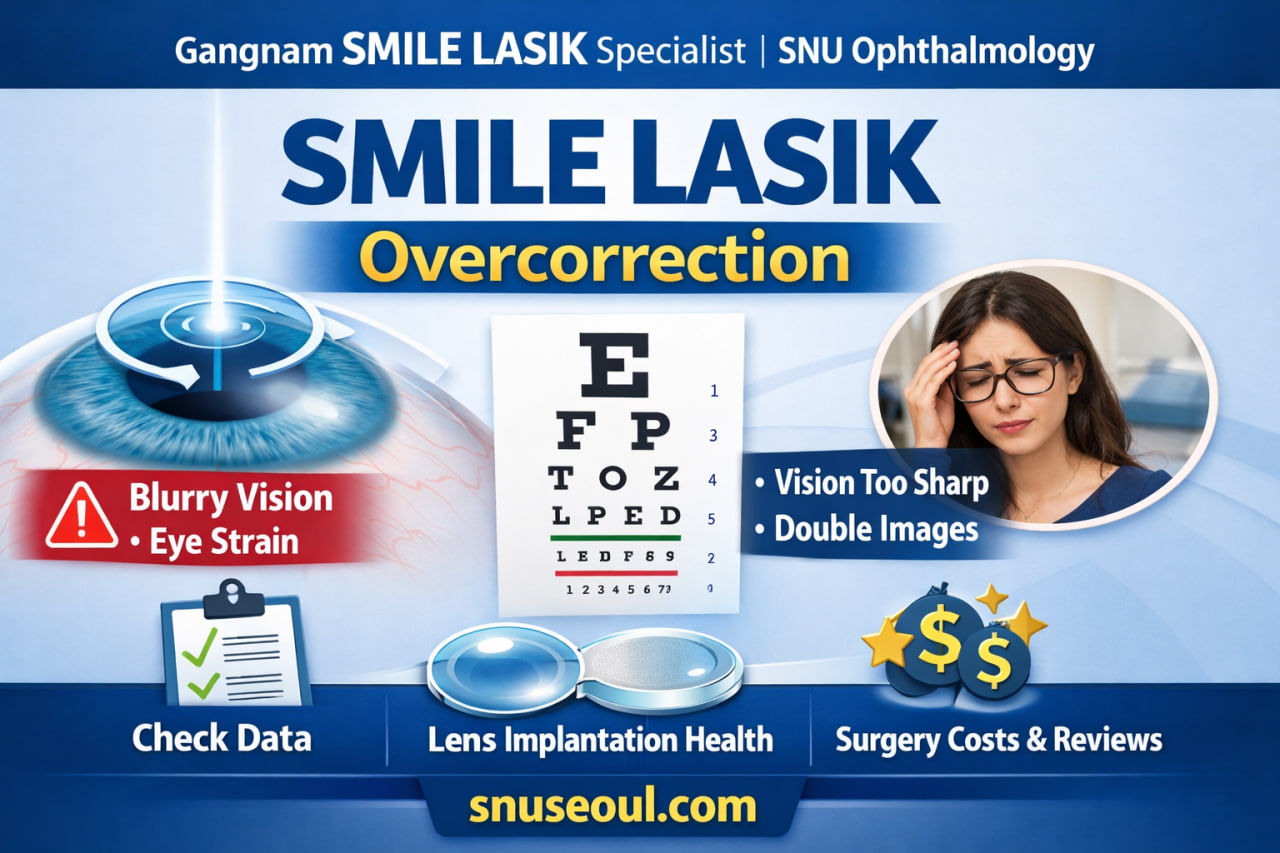
While SMILE LASIK is considered highly safe, no surgical procedure is completely risk-free. Patients occasionally worry about complications such as 스마일라식 과교정, or overcorrection. This occurs when the cornea is reshaped slightly more than necessary, causing a shift toward farsightedness.
Modern diagnostic tools and advanced laser technology significantly reduce the likelihood of overcorrection. Careful preoperative analysis and experienced surgeons are key factors in minimizing such risks. Clinics with strong reputations, including specialized centers in Gangnam, focus on precision measurements and personalized treatment plans.
Another topic sometimes discussed online is 스마일프로 부작용 디시, referring to potential side effects of SMILE Pro. Most reported issues involve temporary dryness or mild discomfort rather than serious complications. Regular follow-up visits ensure that any concerns are addressed promptly.
Patients interested in detailed surgical information and recovery resources can explore professional ophthalmology platforms such as snuseoul.com, where educational materials and patient guidance are provided by specialists.
Long Term Eye Health After SMILE LASIK
The long-term success of SMILE LASIK depends not only on the procedure itself but also on ongoing eye care habits. Regular eye examinations remain important even after vision correction surgery. Annual checkups allow ophthalmologists to monitor overall eye health and detect conditions unrelated to refractive errors.
Maintaining healthy lifestyle habits also supports visual stability. Adequate hydration, balanced nutrition rich in vitamins A and C, and proper screen management help protect the eyes. Patients who follow postoperative guidelines and attend scheduled follow-ups typically enjoy stable vision for many years.
In addition, individuals who are not ideal candidates for SMILE LASIK may consider alternative treatments such as 렌즈삽입술 헬스 procedures, which involve implanting specialized lenses inside the eye. Ophthalmologists evaluate each patient carefully to determine the most suitable option.
Ultimately, the key to successful SMILE LASIK lies in informed decision-making and professional medical guidance. By following recommended precautions before surgery and adhering to recovery instructions afterward, patients can achieve clear vision and long-lasting eye health.